




The end of the summer break can bring a whirlwind of emotions for families. The transition from carefree days to structured routines can be a challenging period, impacting both children and parents alike. From anxiety about new beginnings to the stress of getting everyone back into a routine, it can be a difficult time.

Our team of Mental Health Clinicians have put their heads together to explore some of the common issues families face during this time and offer practical tips to help both parents and children navigate the return to school with resilience and positivity.
Common Issues for Families During the Back-to-School Transition
- Adapting to change: Many children experience nervousness about meeting new teachers, making friends, or tackling harder subjects. Parents, may feel apprehensive about managing new schedules or academic challenges for their kids.
- Sleep struggles: Summer’s more relaxed schedule often leads to disrupted sleep patterns, making it difficult to adapt to earlier wake-up times and getting out of the door on time.
- Behavioural changes: Emotional outbursts, withdrawal, or irritability in children are common signs of stress as they transition back to school.
- Time management: Parents may feel overwhelmed with creating healthy lunchboxes, school drop-offs, extracurricular activities, and work commitments, often leaving little time for self-care.
- Extra expenditure: Back-to-school shopping and increased activity fees can strain family budgets, adding another layer of pressure.
Quick Tips for Parents to Support Their Children
Have open conversations:
- Encourage your children to share their feelings about returning to school. Reassure them that it’s normal to feel a mix of excitement and anxiety.
- Problem solve together to develop solutions to address specific worries, like organising a playdate with classmates before school starts.
Ease into routines:
- Start adjusting bedtimes and wake-up times a week or two before school begins.
- Introduce a morning or evening routine that includes preparing clothes, packing lunches, reviewing schedules and packing bags.
Celebrate achievements:
- Acknowledge milestones, like completing the first day of school or learning something new.
- Small rewards can boost confidence and motivation.
Model a positive attitude:
- Speak positively about the upcoming school year and share fond school memories.
- Children often mirror their parents’ emotions, so your optimism can set a positive tone.
Teach stress-management skills:
- Introduce simple mindfulness exercises like deep breathing or visualisation exercises to help your child remain calm.
- Encourage older children to take regular breaks while studying to avoid burnout.
Tips for Parents to Navigate the Routine
Organise and plan ahead:
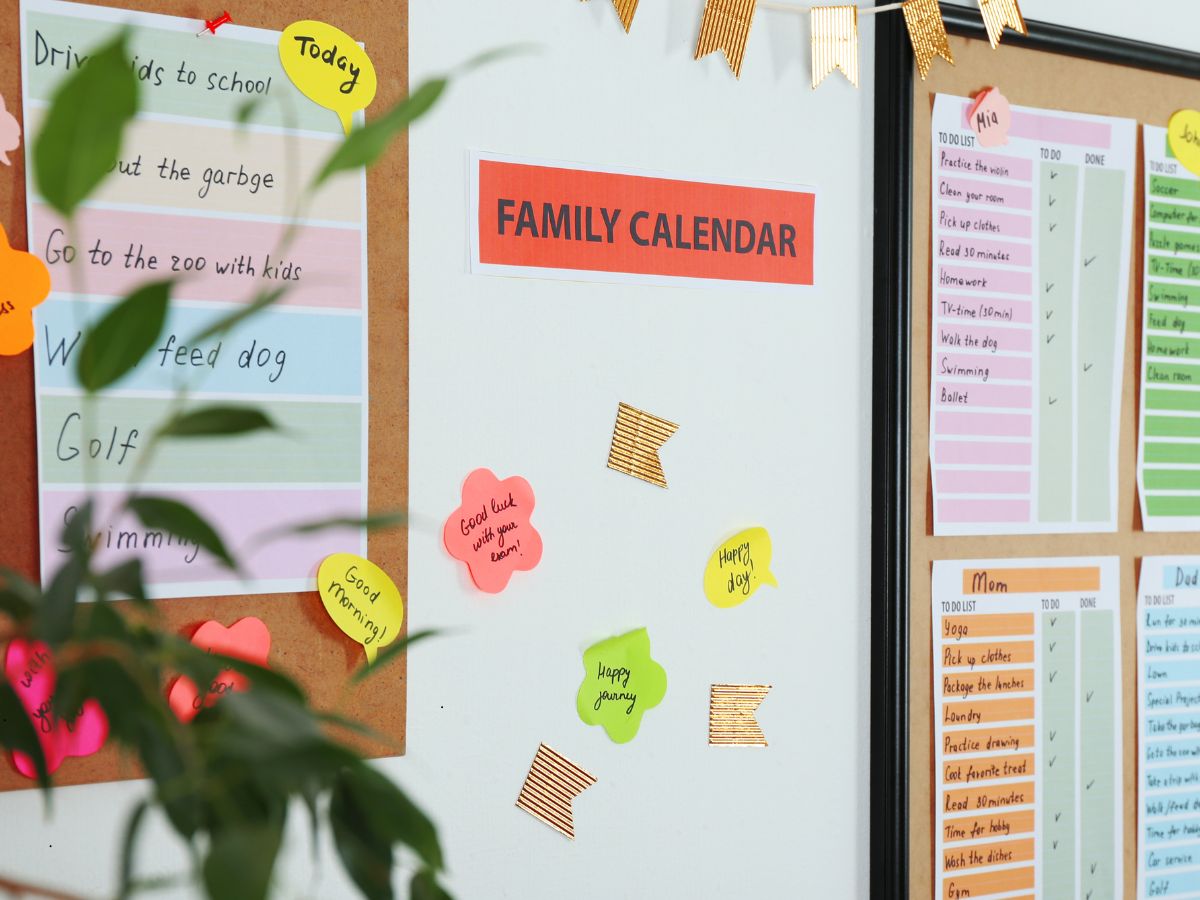
- Use calendars or apps to coordinate school, extracurricular, and family activities.
- Prep meals and snacks in advance to ease the morning rush.
Prioritise self-care:
- Dedicate time for activities that relax and recharge you, such as yoga, reading, or taking a walk.
- Remember that taking care of yourself makes it easier to support your family.
Communicate and delegate:
- Share responsibilities with your partner (if you have one) or other caregivers to reduce the burden.
- Talk to teachers or school counsellors if you need advice or support for your child.
Set realistic expectations:
- Accept that it’s okay if everything doesn’t fall into place immediately, you are doing your best.
- Celebrate small successes and give yourself grace during this period of adjustment.
Seek support when needed:
- Don’t hesitate to reach out to friends, family, or professionals if you feel overwhelmed.
The back-to-school transition is an opportunity to grow as a family and develop routines that promote good mental wellbeing to carry through the rest of the year. Although challenging, with proactive strategies and support, families can navigate this time with less stress and greater resilience.
Remember, you’re not alone in facing these challenges, and seeking help is a strength, not a weakness.
Check out our social media pages for more helpful hints and tips in the coming weeks.
READ MORE: How to build resilient mentally healthy kids